

Jacksonville, FL, January 16, 2026
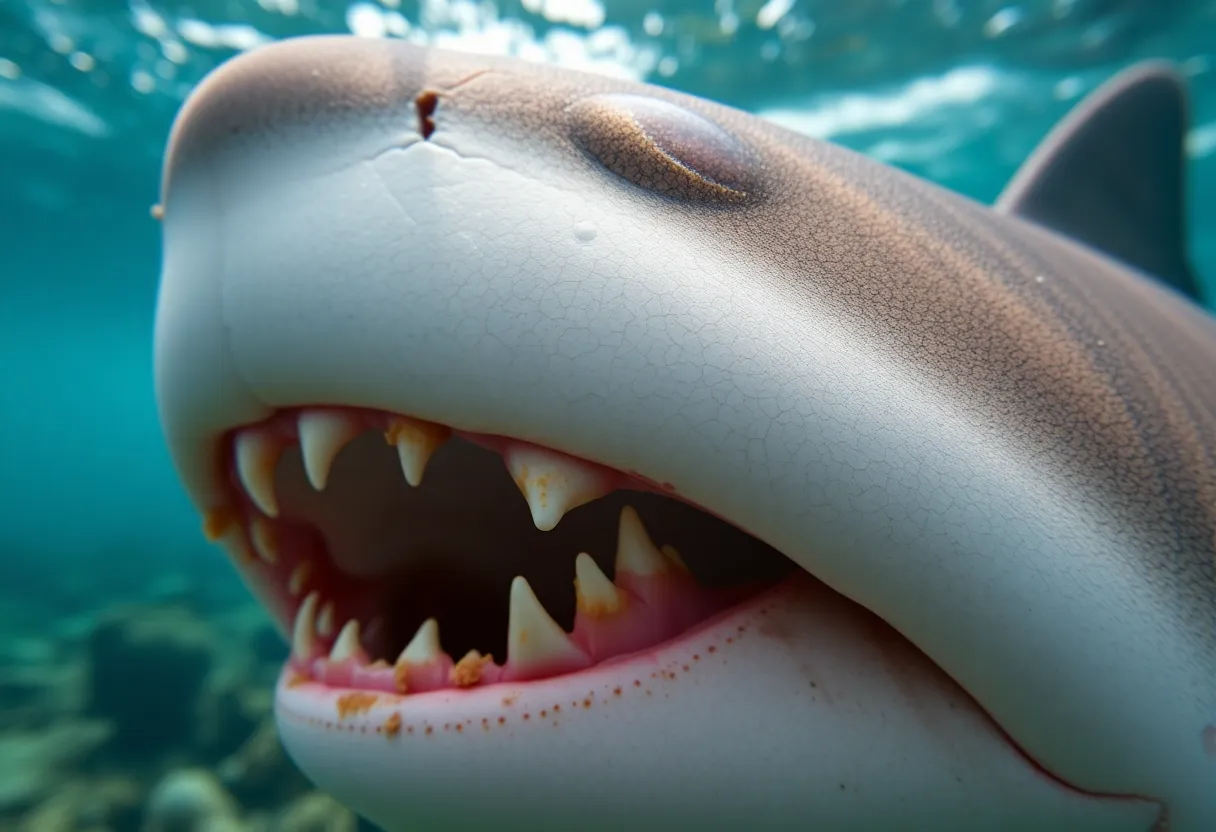
Recent findings from Heinrich Heine University Düsseldorf suggest that rising ocean acidity, driven by carbon emissions, may weaken shark teeth. The study examined over 600 blacktip reef shark teeth under current and projected acidity levels, revealing significant structural damage. As sharks’ hunting abilities could be compromised, the research highlights the potential cascading effects on marine ecosystems and the fishing industry.
Jacksonville, FL
New Study Highlights Potential Impact of Ocean Acidification on Shark Teeth
Recent research indicates that ocean acidification, driven by increased carbon emissions, may weaken shark teeth, potentially impacting their role as apex predators.
Scientists from Heinrich Heine University Düsseldorf conducted a study exposing over 600 blacktip reef shark teeth to current and projected future ocean acidity levels. The findings revealed that teeth in more acidic conditions exhibited structural damage, including cracks and corrosion. While these effects won’t be immediate, weakened teeth could gradually undermine sharks’ ability to hunt, exacerbating existing threats like overfishing, pollution, and climate change. This alarming development serves as a reminder of how environmental changes can impact local ecosystems and business opportunities surrounding marine tourism and fisheries.
Understanding Ocean Acidification
Ocean acidification occurs when oceans absorb more carbon dioxide from the atmosphere, leading to a decrease in pH levels. This process can affect various marine organisms, particularly those with calcium carbonate structures, such as corals and shellfish. The potential impact on sharks’ calcium phosphate-based teeth underscores the broader implications of changing ocean chemistry on marine life—and subsequently, state-level fishing industries and entrepreneurs who rely on a healthy ocean ecosystem for their livelihoods.
Implications for Marine Ecosystems
Sharks play a crucial role in maintaining the balance of marine ecosystems by regulating populations of fish and marine mammals. The weakening of their teeth could impair their hunting efficiency, leading to shifts in the food web. Such disruption may have cascading effects on other species and the overall health of ocean environments—a reality that local fisheries must consider as they navigate the challenges posed by environmental changes.
Future Research Directions
While the current study provides valuable insights, further research is needed to understand the long-term effects of ocean acidification on shark populations. Investigating the adaptability of different shark species to changing ocean conditions and exploring potential mitigation strategies will be essential in preserving these vital predators. As local businesses and entrepreneurs strive to adapt to an evolving market, understanding these ecological shifts will ensure that they remain resilient and innovative.
Frequently Asked Questions (FAQ)
What is ocean acidification?
Ocean acidification occurs when oceans absorb more carbon dioxide from the atmosphere, leading to a decrease in pH levels. This process can affect various marine organisms, particularly those with calcium carbonate structures, such as corals and shellfish. The potential impact on sharks’ calcium phosphate-based teeth underscores the broader implications of changing ocean chemistry on marine life.
How does ocean acidification affect shark teeth?
Scientists from Heinrich Heine University Düsseldorf conducted a study exposing over 600 blacktip reef shark teeth to current and projected future ocean acidity levels. The findings revealed that teeth in more acidic conditions exhibited structural damage, including cracks and corrosion. Lead author Maximilian Baum emphasized that while these effects won’t be immediate, weakened teeth could gradually undermine sharks’ ability to hunt, exacerbating existing threats like overfishing, pollution, and climate change.
What are the broader implications for marine ecosystems?
Sharks play a crucial role in maintaining the balance of marine ecosystems by regulating populations of fish and marine mammals. The weakening of their teeth could impair their hunting efficiency, leading to shifts in the food web. This disruption may have cascading effects on other species and the overall health of ocean environments.
What further research is needed?
While the current study provides valuable insights, further research is needed to understand the long-term effects of ocean acidification on shark populations. Investigating the adaptability of different shark species to changing ocean conditions and exploring potential mitigation strategies will be essential in preserving these vital predators.
Key Features of the Study
| Feature | Description |
|---|---|
| Study Focus | Impact of ocean acidification on shark teeth |
| Research Institution | Heinrich Heine University Düsseldorf |
| Species Studied | Blacktip reef sharks |
| Key Findings | Structural damage to teeth in acidic conditions, potential impact on hunting efficiency |
| Publication | *Frontiers in Marine Science* |
Deeper Dive: News & Info About This Topic
HERE Resources

Author: STAFF HERE JACKSONVILLE WRITER
The JACKSONVILLE STAFF WRITER represents the experienced team at HEREJacksonville.com, your go-to source for actionable local news and information in Jacksonville, Duval County, and beyond. Specializing in "news you can use," we cover essential topics like product reviews for personal and business needs, local business directories, politics, real estate trends, neighborhood insights, and state news affecting the area—with deep expertise drawn from years of dedicated reporting and strong community input, including local press releases and business updates. We deliver top reporting on high-value events such as the Jacksonville Jazz Festival, Riverside Arts Market, and World of Nations Celebration. Our coverage extends to key organizations like the Jacksonville Chamber of Commerce and JAXUSA Partnership, plus leading businesses in logistics, healthcare, and entertainment that power the local economy such as CSX Corporation, Baptist Health, and VyStar Credit Union. As part of the broader HERE network, including HEREOrlando.com, HEREStPetersburg.com, HERETallahassee.com, and HERETampa.com, we provide comprehensive, credible insights into Florida's dynamic landscape.