
Jacksonville, FL, February 4, 2026
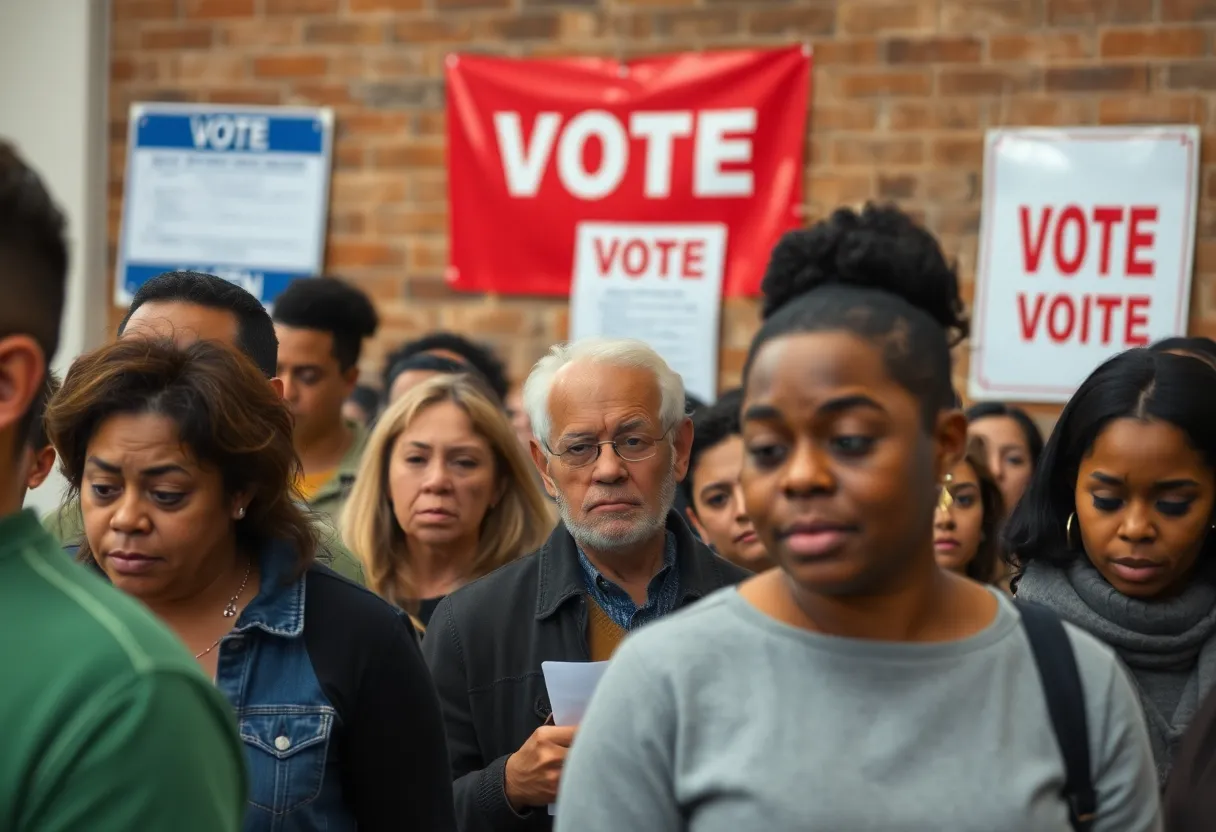
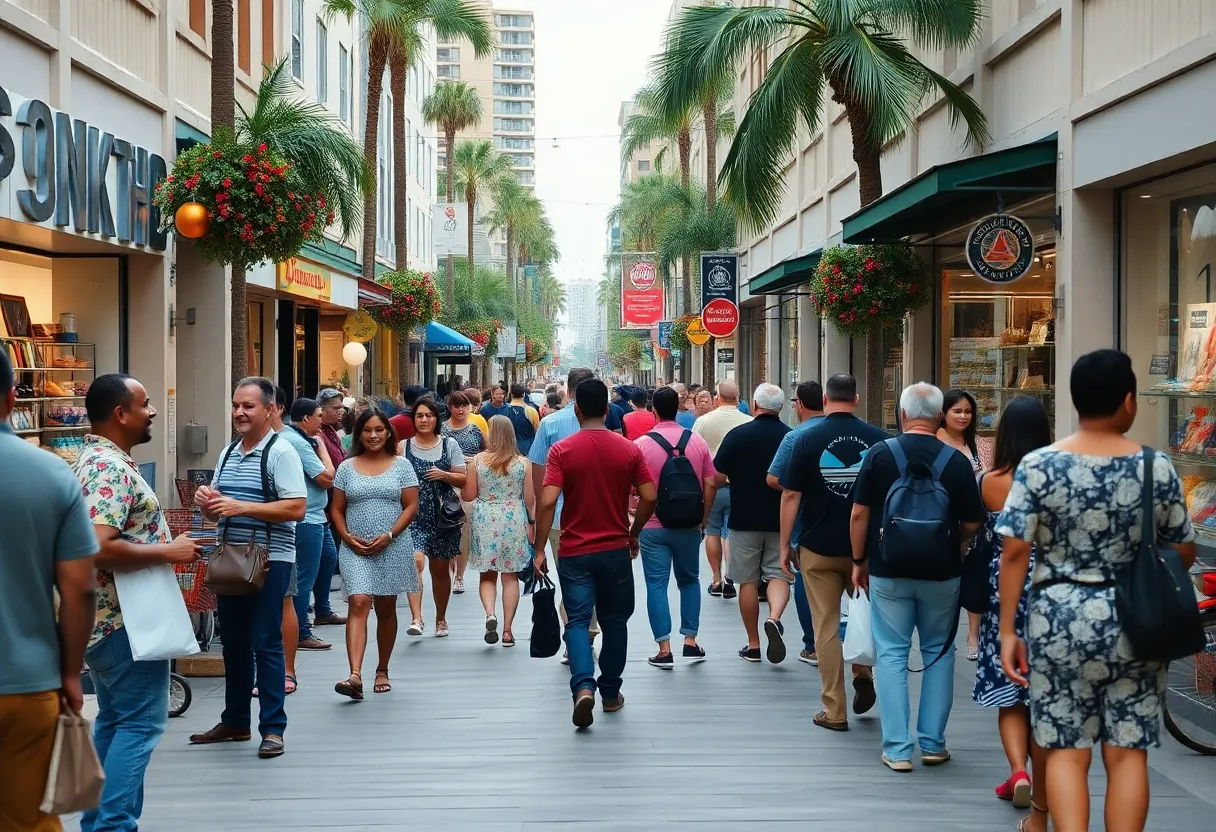
Recent data indicates a concerning trend of economic disparity in Jacksonville, reflecting broader national patterns. Higher-income households are increasing their spending significantly, while lower-income groups struggle to keep up. Education level also plays a crucial role in this disparity, with college-educated consumers spending more. As our community faces distinct challenges, fostering support for local businesses could be key to addressing these issues and promoting balanced economic growth.
Jacksonville, FL
Economic Disparity Trends: What They Mean for Jacksonville
A Deep Dive into Spending Habits Across Income Groups
Recent insights from the Federal Reserve Bank of New York reveal a troubling widening economic disparity across the United States, and Jacksonville is not immune to the ripples of this trend. As local entrepreneurs continue to push the boundaries of innovation and resilience, the stark contrast in spending increases among various income groups raises several questions about the future of our community’s economy.
While higher-income households are experiencing robust growth in expenditures, lower-income groups are struggling to keep pace. This economic dynamic underscores the potential benefits that reduced regulation and increased business ingenuity could play in bridging this divide. Let’s explore the data behind this trend and what it may mean for Jacksonville’s economic landscape.
Key Findings from the Federal Reserve Data
- Higher-Income Households: Households earning $125,000 or more annually have increased their spending by 2.3% since 2023, adjusted for inflation, which points to a flourishing consumer confidence in this demographic.
- Middle-Income Households: Those with incomes ranging from $40,000 to $125,000 have raised their spending by 1.6%, showing a modest upward trend.
- Lower-Income Households: Conversely, households earning less than $40,000 have seen only a 0.9% increase in spending, highlighting the financial challenges they continue to face in this economic climate.
Education and Its Role in Consumer Spending
- College-Educated Consumers: Spending among households with college degrees has risen by 4% by late 2024, indicating that education is playing a significant role in economic resilience.
- Non-College-Educated Consumers: In stark contrast, spending by non-college-educated households lagged until November 2024, illustrating the broader educational gap in economic success.
The “K-Shaped” Economic Recovery Explained
The economic phenomena observed reflect a “K-shaped” recovery where affluent Americans are driving a larger portion of consumer spending, while lower-income groups grapple with challenges fueled by higher inflation on essential goods. This disparity not only shapes consumer behavior but also impacts local businesses in Jacksonville that may depend on the patronage of diverse income levels.
Understanding Inflation’s Impact on Households
- Inflation Impact: Lower-income and rural households have experienced higher inflation rates in the latter half of the year, adding strain to their financial situations and affordability of basic needs.
- Historical Context: The growing share of national earnings and spending held by the wealthiest 20% of Americans is a trend that has persisted over the decades, emphasizing the need for community engagement and entrepreneurial support.
Conclusion
The increasing economic divide, highlighted by distinct spending patterns among various income and education levels, brings forth critical implications for the future of Jacksonville’s economy. As higher-income brackets flourish while others struggle, fostering a conducive environment for small businesses and entrepreneurs can pave the way for more balanced economic growth. Residents are encouraged to support local businesses and remain engaged in economic discussions that shape Jacksonville’s future.
FAQ
- What does the recent data from the Federal Reserve Bank of New York reveal?
- The data highlights a widening economic disparity in the United States, with higher-income and college-educated households significantly increasing their spending over the past three years, while lower-income groups have seen minimal growth in their expenditures.
- How have different income groups adjusted their spending since 2023?
- Households earning $125,000 or more annually have increased their spending by 2.3% since 2023, adjusted for inflation. Those with incomes between $40,000 and $125,000 have raised their spending by 1.6%, while households earning less than $40,000 have seen a modest increase of 0.9% over the same period.
- What impact has education level had on consumer spending?
- Households with college degrees have boosted their inflation-adjusted spending by 4% by late 2024, continuing strong spending into 2025 despite economic challenges. In contrast, spending by non-college-educated households remained below January 2023 levels until November 2024, when it finally regained that level.
- What is the “K-shaped” economic recovery?
- The “K-shaped” economic recovery refers to a scenario where affluent Americans are driving a disproportionate share of consumer spending, while lower-income groups face challenges due to higher inflation, particularly for essentials like housing, food, and utilities.
- How have inflation rates affected different households?
- Lower-income and rural households experienced higher inflation rates in the final quarter of last year compared to higher-income households, impacting their purchasing power and overall economic well-being.
Key Features
| Feature | Details |
|---|---|
| Data Source | Federal Reserve Bank of New York |
| Time Frame | Past three years (2023-2026) |
| Income Groups Analyzed | Households earning $125,000+, $40,000-$125,000, and below $40,000 |
| Education Levels Considered | College-educated vs. non-college-educated households |
| Economic Concept Highlighted | “K-shaped” economic recovery |
| Inflation Impact | Higher inflation rates for lower-income and rural households in late 2025 |
Deeper Dive: News & Info About This Topic
HERE Resources
Jacksonville’s Affordable Housing Initiatives Face Rising Costs
Consumer Confidence Declines Amid Economic Uncertainty
Florida’s Manufacturing Sector Faces Workforce Challenges
Contrasting Real Estate Markets in Florida: Naples vs. Cape Coral
Jacksonville Protests Economic Inequality on Labor Day
Trump and von der Leyen Announce New 15% Trade Tariff
Florida Small Businesses Face Tax Hikes
Jacksonville Sees Rising Salaries and Tuition Costs for Graduates
Jacksonville Councilman Questions Land Swap Deal
Polk County: Florida’s Emerging Economic Hub

Author: STAFF HERE JACKSONVILLE WRITER
The JACKSONVILLE STAFF WRITER represents the experienced team at HEREJacksonville.com, your go-to source for actionable local news and information in Jacksonville, Duval County, and beyond. Specializing in "news you can use," we cover essential topics like product reviews for personal and business needs, local business directories, politics, real estate trends, neighborhood insights, and state news affecting the area—with deep expertise drawn from years of dedicated reporting and strong community input, including local press releases and business updates. We deliver top reporting on high-value events such as the Jacksonville Jazz Festival, Riverside Arts Market, and World of Nations Celebration. Our coverage extends to key organizations like the Jacksonville Chamber of Commerce and JAXUSA Partnership, plus leading businesses in logistics, healthcare, and entertainment that power the local economy such as CSX Corporation, Baptist Health, and VyStar Credit Union. As part of the broader HERE network, including HEREOrlando.com, HEREStPetersburg.com, HERETallahassee.com, and HERETampa.com, we provide comprehensive, credible insights into Florida's dynamic landscape.