

Jacksonville, FL, December 19, 2025
President Donald Trump’s executive order reclassifies marijuana from a Schedule I to a Schedule III controlled substance, aiming to facilitate medical research and alleviate tax burdens on cannabis businesses. This change aligns federal law with existing state regulations and could translate to significant savings for cannabis companies. However, challenges remain for these businesses in accessing banking services due to the ongoing legal ambiguities surrounding cannabis. The move has garnered support from various state leaders while raising concerns about its implications for youth perceptions of marijuana use.
Trump’s Executive Order: Changes for Marijuana Classification
Reclassification to Schedule III Could Boost Medical Research and Cannabis Businesses
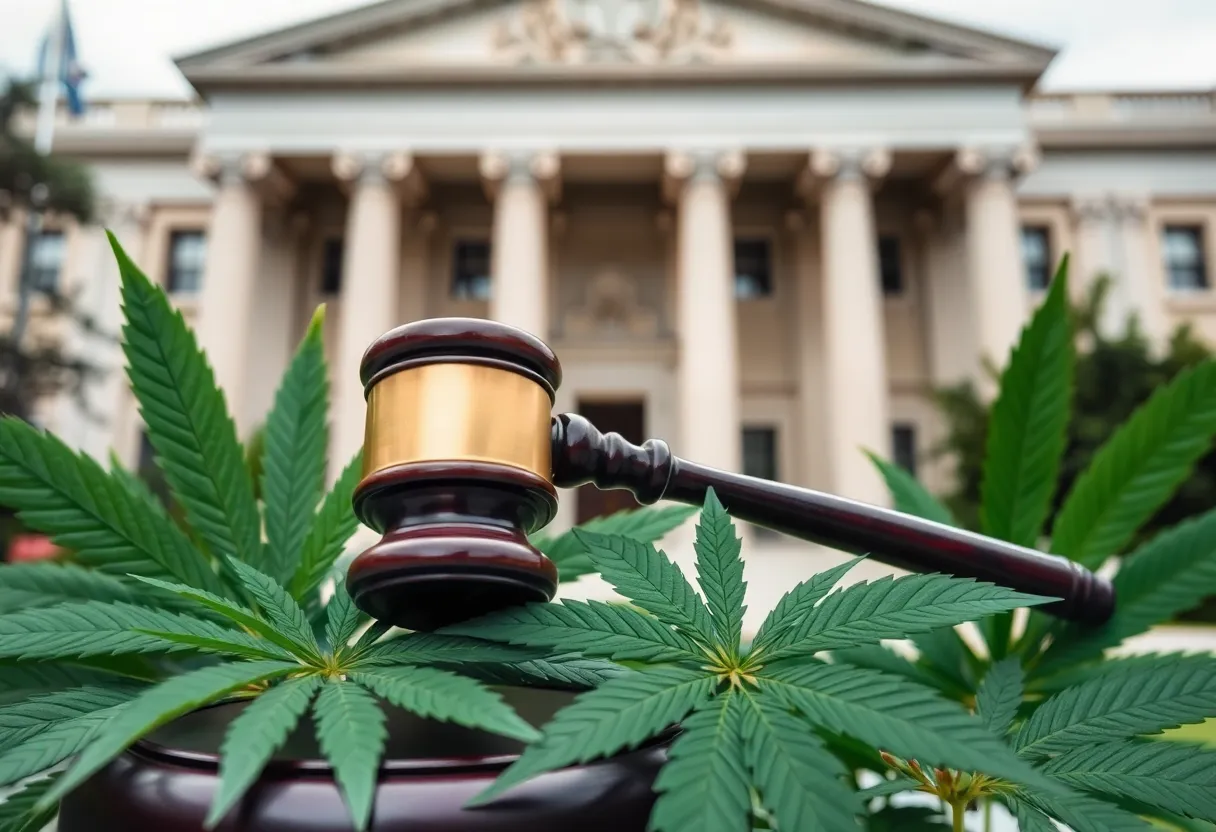
Jacksonville, FL – On December 18, 2025, President Donald Trump made a significant move by signing an executive order that directs the reclassification of marijuana from a Schedule I to a Schedule III controlled substance under federal law. This decision aligns federal regulations with those adopted by various states, aiming to facilitate medical research and ease tax burdens on the cannabis industry while maintaining limits on recreational use. For entrepreneurs in Jacksonville and across the state, this change signals potential growth opportunities in the cannabis sector.
The shift to Schedule III means marijuana will now be classified alongside substances like ketamine and certain anabolic steroids, which are acknowledged for their medical applications and present a moderate to low potential for abuse. This could open the door for a boost in medical research surrounding cannabis, while also allowing cannabis businesses to deduct typical business expenses, potentially translating to an annual savings of up to $800 million for significant U.S. cannabis companies by allowing them to bypass Section 280E tax limitations.
Impact on Cannabis Companies and Financial Access
While the executive order represents tangible progress, cannabis companies still face considerable hurdles in accessing capital, particularly from larger banking institutions. The cautious demeanor of big banks is driven by the ongoing legal risks associated with cannabis under federal law. Despite this reclassification, full banking access remains elusive, leaving many entrepreneurs to rely on smaller banks, credit unions, and alternative lenders who often charge high-interest rates. Industry experts suggest that optimistic progress will continue, but substantial financial access will not materialize without full federal legalization.
The American Bankers Association has shown support for cannabis businesses by advocating for the bipartisan SAFER Banking Act, which seeks to provide the necessary legal certainty for banks engaging with cannabis-related clients. As this legislative landscape evolves, local entrepreneurs are encouraged to explore viable financing options that could support their businesses.
Responses from State Leaders
The executive order has drawn praise from various state leaders, notably in Colorado, who regard it as a necessary adjustment to outdated federal cannabis policies. State officials acknowledge the overdue need for such reforms and view it as a pathway to better support local entrepreneurs engaged in the cannabis sector. However, there are concerns, particularly among critics, that this reclassification may inadvertently convey a misleading message to young audiences, suggesting that marijuana use is harmless. It’s important to note that, despite the change, marijuana remains a controlled substance with no federal legalization for recreational use.
Regulatory Review Process Ahead
The reclassification journey includes a review process by the Drug Enforcement Administration (DEA), which entails intricate regulatory procedures and public input. This process can take time and does not impact existing federal penalties tied to recreational marijuana use or manufacturing without FDA approval. As the American public increasingly favors legalization—64% support it according to Gallup—this executive order reflects a broader acceptance of cannabis’s medical potential and its place in modern society.
Conclusion
President Trump’s executive order to reclassify marijuana to a Schedule III substance marks a transformative moment in federal drug policy aimed at promoting medical research and easing the financial burden on cannabis businesses. Nevertheless, the landscape remains complex, with significant challenges persisting, particularly in banking access. As we move forward, it is vital for Jacksonville residents and entrepreneurs to remain engaged with changes in the cannabis industry and support local businesses contributing to our economy’s growth.
Frequently Asked Questions (FAQ)
What does the executive order signed by President Trump on December 18, 2025, entail?
The executive order directs the reclassification of marijuana from a Schedule I to a Schedule III controlled substance under federal law, aligning federal regulations with those of many states and aiming to facilitate medical research and alleviate tax burdens on the cannabis industry. However, it does not legalize recreational marijuana at the federal level.
What are the implications of reclassifying marijuana to a Schedule III substance?
Reclassifying marijuana to a Schedule III substance means it is now categorized alongside substances like ketamine and certain anabolic steroids, which are recognized for their medical uses and have a moderate to low potential for abuse. This change is expected to ease restrictions on medical research and could provide tax relief to cannabis businesses by allowing them to deduct typical business expenses, potentially saving top U.S. cannabis companies an estimated $800 million annually by bypassing Section 280E tax limitations.
Do cannabis companies now have access to large banks following the reclassification?
Despite the reclassification, cannabis companies continue to face challenges accessing capital from large banks. Experts assert that while reclassification is a step forward, it does not equate to federal legalization, and therefore big banks remain cautious due to the legal risks under current federal law. Larger financial institutions fear jeopardizing their FDIC-insured status by engaging with cannabis-related clients, which keeps them on the sidelines. Cannabis businesses continue to rely on smaller banks, credit unions, or alternative lenders that often impose high borrowing costs. While regional or more progressive banks may begin to cautiously explore opportunities, significant banking access won’t occur without full legalization. The American Bankers Association echoed the industry’s concerns, advocating for the bipartisan SAFER Banking Act to provide the legal certainty banks need. Industry leaders remain hopeful but acknowledge fundamental financial access challenges persist due to ongoing legal ambiguity.
Have state leaders responded to the executive order?
Colorado leaders have praised the executive order, viewing it as a necessary update to federal cannabis policies. Governor Jared Polis highlighted the overdue need to revise outdated federal cannabis policies. However, critics caution that the reclassification may send a misguided message to youth, potentially implying marijuana is harmless. Despite the change, marijuana remains a controlled substance and has not been federally legalized.
Does the executive order legalize recreational marijuana at the federal level?
No, the executive order does not legalize recreational marijuana at the federal level. The Drug Enforcement Administration (DEA) must now conduct a review for reclassification, a process that involves complex regulatory procedures and public input. The reclassification also does not affect current federal penalties for recreational marijuana use or manufacturing without FDA approval. The move reflects a growing recognition of the medical potential of cannabis and responds to increasing public support for its legalization, with 64% of Americans favoring legalization according to Gallup.
Key Features of the Executive Order
| Feature | Description |
|---|---|
| Reclassification of Marijuana | Marijuana reclassified from Schedule I to Schedule III controlled substance under federal law. |
| Implications for Medical Research | Expected to ease restrictions on medical research and provide tax relief to cannabis businesses. |
| Impact on Recreational Use | Does not legalize recreational marijuana at the federal level; current federal penalties remain unchanged. |
| State Leaders’ Response | Colorado leaders praised the order; some critics caution about potential messages to youth. |
| Banking Access Challenges | Cannabis companies continue to face challenges accessing capital from large banks due to ongoing legal ambiguities. |
Deeper Dive: News & Info About This Topic
HERE Resources

Author: STAFF HERE JACKSONVILLE WRITER
The JACKSONVILLE STAFF WRITER represents the experienced team at HEREJacksonville.com, your go-to source for actionable local news and information in Jacksonville, Duval County, and beyond. Specializing in "news you can use," we cover essential topics like product reviews for personal and business needs, local business directories, politics, real estate trends, neighborhood insights, and state news affecting the area—with deep expertise drawn from years of dedicated reporting and strong community input, including local press releases and business updates. We deliver top reporting on high-value events such as the Jacksonville Jazz Festival, Riverside Arts Market, and World of Nations Celebration. Our coverage extends to key organizations like the Jacksonville Chamber of Commerce and JAXUSA Partnership, plus leading businesses in logistics, healthcare, and entertainment that power the local economy such as CSX Corporation, Baptist Health, and VyStar Credit Union. As part of the broader HERE network, including HEREOrlando.com, HEREStPetersburg.com, HERETallahassee.com, and HERETampa.com, we provide comprehensive, credible insights into Florida's dynamic landscape.