

Beijing, China, December 16, 2025
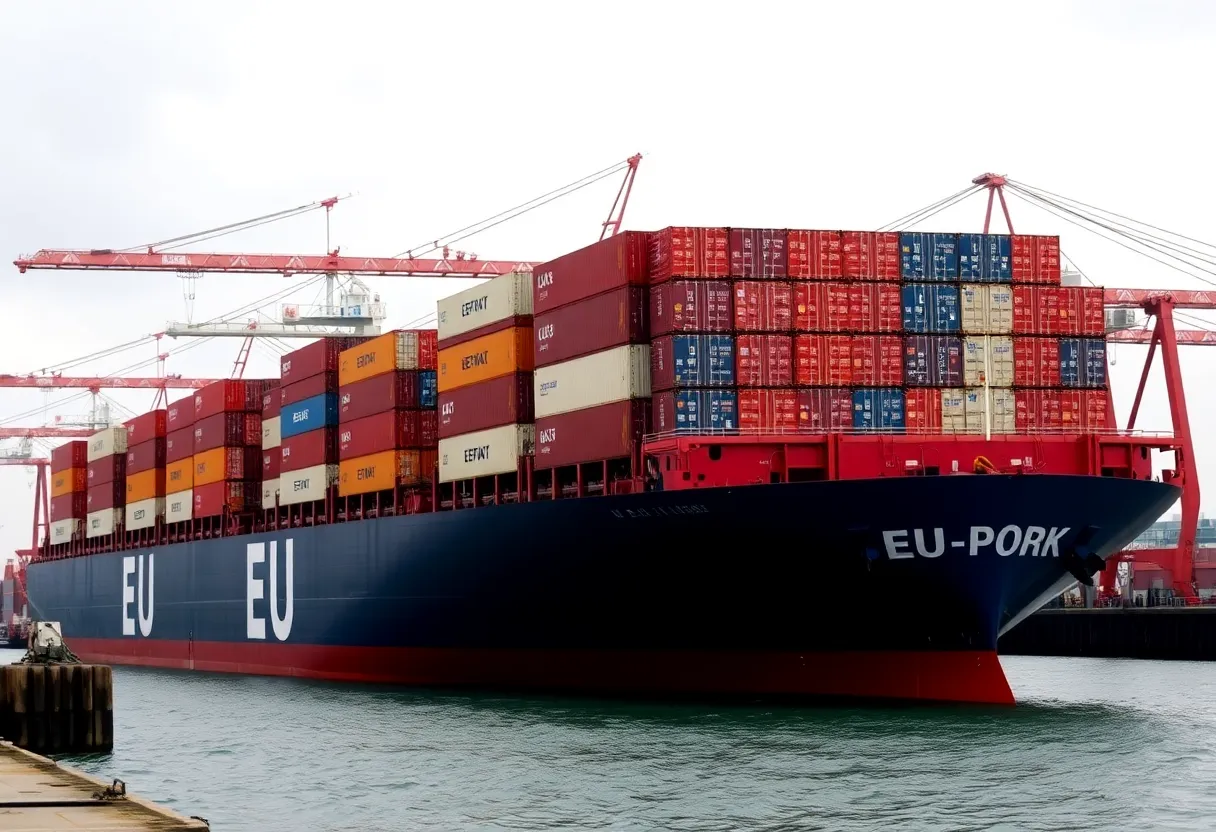
China has announced the implementation of anti-dumping tariffs on pork imports from the EU, effective December 17, 2025. These tariffs, ranging from 4.9% to 19.8%, follow an investigation that found EU pork was being sold below production costs. European producers, especially from Spain, the Netherlands, and Denmark, are expected to face significant challenges as they adapt to these new trade restrictions. The EU has expressed concerns over the tariffs, viewing them as retaliatory measures. The ongoing trade tension could reshape international pork trade dynamics.
China Implements New Tariffs on EU Pork Imports
The impact of China’s anti-dumping measures on European producers
Beijing, China – The recent announcement by China regarding the implementation of anti-dumping tariffs on imports of pork and pig by-products from the European Union (EU) has sparked significant interest within global trade circles. Effective from December 17, 2025, these tariffs range from 4.9% to 19.8% and will apply to every category of pork product, including fresh, frozen, pickled, and smoked varieties. This decision comes after an extensive 18-month investigation that concluded EU pork was being sold below production costs, posing a threat to China’s domestic pork industry.
The EU has seen a substantial increase in pork exports to China over recent years, primarily as a result of China’s need to bolster its supply following swine disease outbreaks. However, with tariffs being introduced, both producers and policymakers are bracing for a challenging period that could reshape the landscape of international pork trade.
Understanding the Tariffs
The newly imposed tariffs reflect a historical backdrop of escalating trade tensions between China and the EU. Initially initiated in June 2024, the investigation led to provisional tariffs earlier in September that were significantly higher, reaching up to 62.4%, depending on the company implicated. The final ruling has reduced these tariffs to more manageable levels for EU exporters, but they will still have significant repercussions for the market.
Impact on European Pork Producers
Countries like Spain, the Netherlands, and Denmark are expected to bear the brunt of these tariffs, given their prominence in EU pork exports. In 2020, EU pork exports to China reached a record €7.4 billion. With the recent tariffs introduced, these exports are expected to decline further as the Chinese market attempts to stabilize its domestic supply chain. The focus on rebuilding domestic herds has already resulted in decreasing imports, and the new tariffs may exacerbate this trend.
Reactions from the European Union
The EU has expressed strong concerns about China’s anti-dumping measures, perceiving them as retaliatory in nature, particularly in light of their own tariffs on Chinese electric vehicles. The European Commission has committed to safeguarding European producers and is actively monitoring the unfolding situation to formulate a cohesive response that balances the interests of EU farmers with global trade obligations.
Broader Trade Implications
This series of tariffs forms part of a wider conflict affecting multiple industries and products, ranging from pork to brandy and dairy. As each side imposes measures on the other’s goods, the ability for businesses to navigate these regulations and maintain profitability becomes increasingly complex. Stakeholders globally are closely watching these developments, as they will influence trade relations and market conditions for years to come.
Future Outlook
The introduction of these tariffs signifies a critical moment for both the EU and Chinese pork industries. With the economic landscape continuously shifting due to changing regulations and trade tensions, the need for innovative approaches in agriculture and trade policy becomes imperative. Local producers are encouraged to explore new markets, strengthen supply chains, and adapt to the fluidity of international trade as they prepare for the evolving landscape.
Key Takeaways
As the economic ramifications of China’s newly imposed tariffs unfold, producers and policymakers alike must stay vigilant. Engaging with local businesses, understanding the intricacies of international trade, and advocating for sensible regulations can foster growth in the local economy. The Jacksonville, FL business community should remain actively involved to ensure resilience and success in a globally competitive environment.
FAQ
What are the new anti-dumping tariffs imposed by China on EU pork imports?
China has announced the implementation of anti-dumping tariffs ranging from 4.9% to 19.8% on imports of pork and pig by-products from the European Union (EU). These tariffs are effective from December 17, 2025, and will remain in place for five years. The tariffs apply to all pork products, including fresh, frozen, pickled, and smoked varieties. Spain, the Netherlands, and Denmark are expected to be the most affected by these measures.
Why did China impose these anti-dumping tariffs on EU pork imports?
The investigation, initiated in June 2024, found that EU pork exports to China were priced below domestic market values, leading to substantial injury to China’s pork sector. In response, China imposed provisional anti-dumping duties in September 2025, ranging from 15.6% to 62.4%, depending on the company. The final ruling has now set the duties at lower rates, providing some relief to EU exporters.
How will these tariffs affect EU pork exports to China?
EU pork exports to China peaked in 2020 at €7.4 billion, largely due to China’s need to replenish its domestic supply after a swine disease outbreak. However, imports have since declined as China has rebuilt its herds. The new tariffs are expected to further impact EU pork exports to China, with Spain, the Netherlands, and Denmark being the most affected.
What is the EU’s response to China’s anti-dumping measures?
The EU has expressed concerns over China’s anti-dumping measures, viewing them as retaliatory actions in response to the EU’s tariffs on Chinese electric vehicles. The European Commission has vowed to take all necessary steps to protect European producers and is closely monitoring the situation.
Key Features of the Anti-Dumping Tariffs on EU Pork Imports
| Feature | Details |
|---|---|
| Tariff Rates | 4.9% to 19.8% on EU pork imports |
| Effective Date | December 17, 2025 |
| Duration | Five years |
| Applicable Products | All pork products, including fresh, frozen, pickled, and smoked varieties |
| Most Affected Countries | Spain, the Netherlands, and Denmark |
| EU Pork Exports to China in 2020 | €7.4 billion |
Deeper Dive: News & Info About This Topic
HERE Resources

Author: STAFF HERE JACKSONVILLE WRITER
The JACKSONVILLE STAFF WRITER represents the experienced team at HEREJacksonville.com, your go-to source for actionable local news and information in Jacksonville, Duval County, and beyond. Specializing in "news you can use," we cover essential topics like product reviews for personal and business needs, local business directories, politics, real estate trends, neighborhood insights, and state news affecting the area—with deep expertise drawn from years of dedicated reporting and strong community input, including local press releases and business updates. We deliver top reporting on high-value events such as the Jacksonville Jazz Festival, Riverside Arts Market, and World of Nations Celebration. Our coverage extends to key organizations like the Jacksonville Chamber of Commerce and JAXUSA Partnership, plus leading businesses in logistics, healthcare, and entertainment that power the local economy such as CSX Corporation, Baptist Health, and VyStar Credit Union. As part of the broader HERE network, including HEREOrlando.com, HEREStPetersburg.com, HERETallahassee.com, and HERETampa.com, we provide comprehensive, credible insights into Florida's dynamic landscape.